Digiwhiz Blog Hub

Explore expert tips and industry trends on website, digital marketing and mobile apps categories.

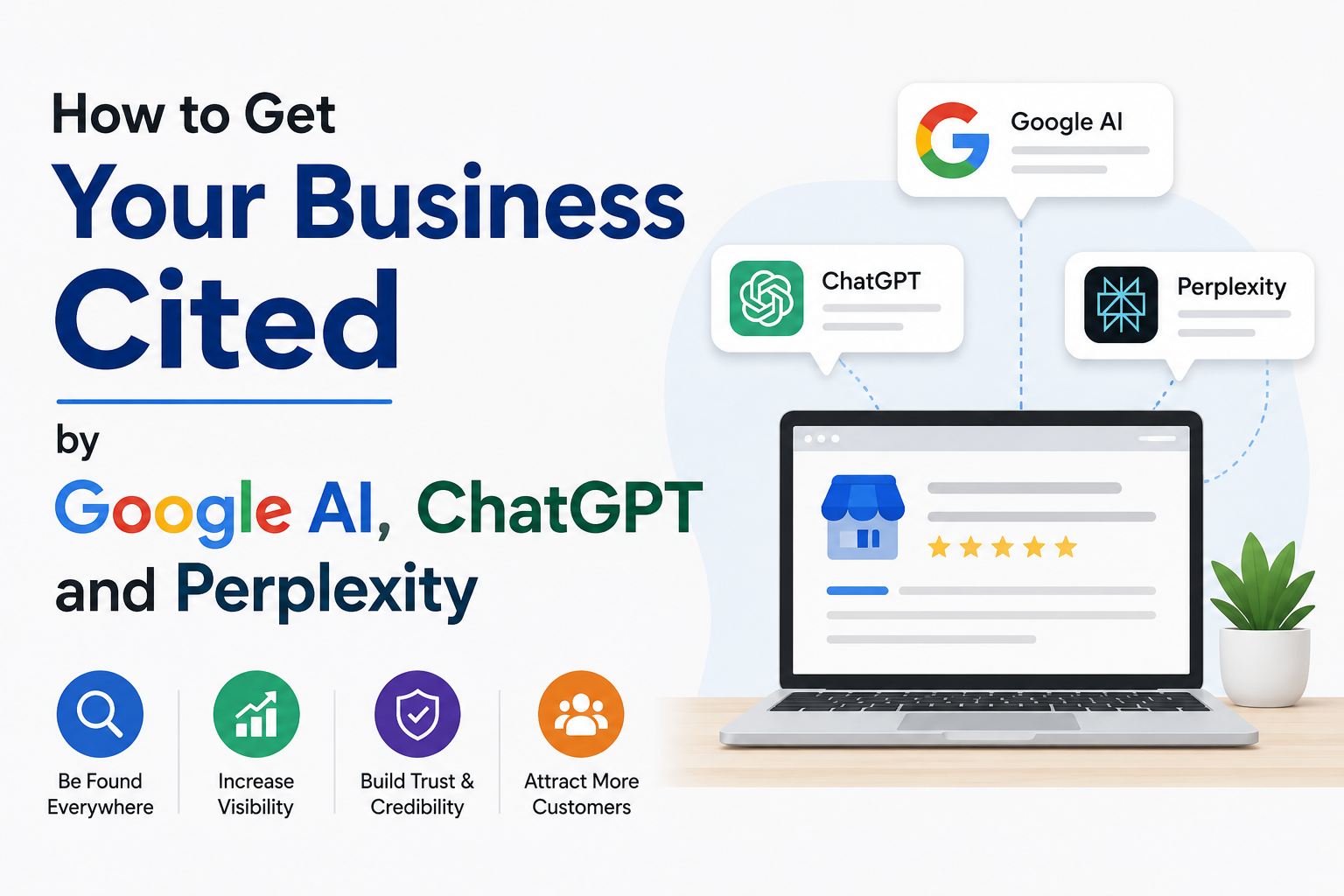
How to Get Your Business Cited by Google AI, ChatGPT and Perplexity

Digital Marketing

July 27, 2026

How to Get Your Business Cited by Google AI, ChatGPT and Perplexity

The way your customers find you is changing faster than most Melbourne businesses realise. According to Roy Morgan's March 2026 survey, 58 per cent of Australians aged 14 and older used AI tools in any four-week period during Q1 2026 — that is 13.6 million people. And crucially, 12 per cent of Australians now identify AI tools as their primary way of finding information online, up from 5 per cent just twelve months ago. One in eight of your potential customers may have already formed an opinion about your business based on what an AI tool told them, before they ever visited your website.

AEO services: Answer Engine Optimisation is the discipline that determines whether your business appears in those AI-generated answers. At Digiwhiz, we have been building AEO and GEO (Generative Engine Optimisation) signals into our clients' content and technical setups for the past 18 months, and we are now offering this as a standalone service for Melbourne and Australian businesses. In this blog, we'll cover what AEO is and how it differs from SEO, the five signals that determine AI citation, the specific steps to optimise for Google AI Overviews, ChatGPT, and Perplexity, and how to measure whether it is working.

What Is AEO and How Is It Different from Traditional SEO?

AEO stands for Answer Engine Optimisation. It is the practice of structuring your content, data, and digital presence so that AI-powered platforms can understand your business accurately, trust it enough to cite it, and surface it when users ask relevant questions.

Traditional SEO is about ranking in Google's organic search results. You target keywords, build backlinks, optimise page speed, and climb the blue-link rankings over time. AEO operates on a different logic. AI platforms do not return ten blue links. Google AI Overviews, ChatGPT, and Perplexity return one answer, or a small set of cited sources. The business that gets cited is not necessarily the one ranking number one in traditional search — it is the one whose content is most clearly structured, most factually specific, and most trusted by the AI model's training and retrieval signals.

The two strategies are complementary, not competing. Strong SEO content that is well-structured, specific, and authoritative tends to perform well in both traditional search and AI citation. But AEO requires specific technical and content elements that traditional SEO does not address, and missing them means your business is invisible in the AI answers your customers are increasingly relying on.

5 Signals That Determine Whether AI Cites Your Business

These are the five core signals that AEO strategy works to build and reinforce.

1. Entity Clarity - AI Needs to Know Exactly Who You Are

AI models build their understanding of your business from structured signals across the web. Your business name, address, phone number, category, and services need to be consistent and clearly structured everywhere they appear: your website, Google Business Profile, Australian business directories, social media profiles, and any media mentions. Inconsistent entity data - different phone numbers across listings, slightly different business name variations, vague service descriptions - makes it harder for AI to confidently identify and recommend you.

2. Structured Data Markup - Schema Is the Language AI Reads

Schema markup is the code layer that tells AI systems directly what your business is, what it offers, where it operates, and what customers say about it. The most critical schema types for Australian businesses are LocalBusiness (or the relevant sub-type for your industry), FAQPage, Service, and Review. Google AI Overviews and Bing Copilot actively use schema to extract information for their answers. Perplexity and ChatGPT use the structured information on your site alongside external sources to build their understanding. Without schema, AI is making inferences rather than reading clear signals - and inferences get you cited less often.

3. Answer-First Content - Structured for Extraction

AI citation engines pull the most direct, most specific answer to the question being asked. Content structured as answer-first paragraphs - a clear direct answer in the first sentence, followed by supporting context - is significantly more likely to be extracted than content that buries the answer in the middle of a long paragraph or uses vague generalisations.

This is why the FAQ structure that has been part of good SEO practice for years matters more than ever in 2026. FAQPage schema combined with answer-first paragraph structure is the most reliable way to build AI snippet eligibility. Every FAQ answer on your website should lead with a single, extractable sentence before expanding.

4. Citation Authority - AI Trusts Sources That Others Trust

AI models are trained on, and retrieve from, sources that are already considered authoritative. A business that is mentioned in reputable industry publications, has a Google Business Profile with strong reviews, is listed in credible Australian directories, and has earned backlinks from trusted websites is treated as more citable than a business whose digital presence is limited to its own website. Building the citation footprint that makes AI trust your business requires consistent digital PR, review management, and structured off-page authority signals.

5. Freshness and Factual Accuracy - Outdated Content Gets Skipped

AI retrieval systems favour current, accurate content. Pages with outdated statistics, outdated pricing, or claims that contradict other sources about your business will underperform in AI citation. For Melbourne service businesses, this means keeping service pages, pricing information, and blog content current and verifiable. Claims that cannot be sourced or verified - vague superlatives, unconfirmed statistics - actively reduce citation probability compared to specific, verifiable facts.

How to Optimise Specifically for Google AI Overviews

Google AI Overviews now appear on a significant share of Australian search queries. Zero-click searches accounted for approximately 58 per cent of all searches in Australia in 2026, up from 51 per cent in 2023, driven significantly by AI Overviews and featured snippets reducing organic click-through rates.

To improve your probability of appearing in Google AI Overviews, the most direct actions are implementing FAQPage schema on every page with a FAQ section, structuring all body paragraphs to lead with the answer rather than the context, ensuring your LocalBusiness or business-type schema is accurate and complete, and targeting informational search queries in your blog content that map to questions your customers actually ask.

Google's AI Overviews draw primarily from sites that already rank in the top ten for a query. This means AEO for Google AI Overviews is not entirely separable from traditional SEO - you need the ranking foundation first, and the AEO structure on top of it.

How to Get Cited by ChatGPT and Perplexity

ChatGPT and Perplexity operate differently from Google AI Overviews. They are retrieval-augmented systems that pull from their training data and from real-time web retrieval, depending on the platform mode and query type. For Australian businesses, the most relevant optimisation approach is:

Publish content that directly answers the questions your target customers ask these platforms. Think about the queries: "best digital marketing agency in Melbourne", "who does Shopify development in Melbourne", "what is AEO and how does it work in Australia." If you have clear, specific, well-structured content that answers these questions better than your competitors, you are building citation probability over time.

Earn mentions in sources that AI models treat as authoritative - industry publications, Australian business media, credible review platforms (Google Reviews, Clutch), and notable web directories. Perplexity's citation model heavily weights sources that appear across multiple independent references. A single well-linked page on your own site is less valuable than consistent mentions across five credible external sources.

Implement an llms.txt file on your website - a plain-text file that tells AI crawlers explicitly what your business does and how it wants to be described. This is an emerging standard that several AEO-forward agencies are now implementing for clients.

How Do You Measure Whether AEO Is Working?

Traditional search ranking reports do not capture AI citation. To measure AEO performance, you need a separate reporting layer.

The most practical approach for a Melbourne small business is monthly manual prompt auditing: run your target queries through ChatGPT, Google AI, and Perplexity, and record whether your business is cited, mentioned, or absent. Track this as a share-of-voice metric over time. Tools like DataForSEO's AI visibility data and HubSpot's AI Search Grader are emerging as more scalable options for businesses with larger query sets.

At Digiwhiz, our SEO services now include AI visibility tracking as a reporting layer alongside traditional organic search performance. This gives clients a complete picture of where they appear across both traditional and AI-driven search channels.

Why Choose Digiwhiz for AEO Services in Melbourne?

Most Melbourne digital agencies are still building traditional SEO strategies and treating AI search as a future concern. Digiwhiz has been integrating AEO and GEO signals into client work for 18 months, which means the businesses we work with are already building the citation authority that competitors have not started on yet.

We are based in Moorabbin, Victoria, with 12 years of experience and more than 500 completed projects. We are an official Google Partner. Our approach to AEO is not a separate product layered on top of your SEO - it is built into everything we do, because the content and technical signals that make Google trust your website are the same signals that make AI platforms cite it.

Find out how we work and what building an AI-visible presence for your Melbourne business looks like in practice.

Key Takeaways

Answer Engine Optimisation is the discipline of getting your business cited by AI platforms like Google AI Overviews, ChatGPT, and Perplexity. With 58 per cent of Australians using AI tools monthly and 12 per cent using them as their primary information source, AI citation is no longer a future concern - it is a current acquisition channel. The five core signals are entity clarity, schema markup, answer-first content structure, citation authority from external sources, and content freshness. Optimising for Google AI Overviews requires combining traditional SEO ranking with AEO structure. ChatGPT and Perplexity citation requires building authority across multiple independent external sources alongside your own structured content. Measuring AEO requires manual prompt auditing and AI-specific tracking tools, not traditional keyword rank reports.

Want to Know How Your Business Currently Appears in AI Search?

The first step is an AI visibility audit: we run your target queries through ChatGPT, Google AI, and Perplexity, document where you appear and where competitors are getting cited instead, and identify the specific gaps in your current setup. There is no obligation after the audit.

Call Digiwhiz on +61 3 9935 6356 or book your free AI visibility audit.


Why Shopify Is Essential For Ecommerce Businesses In 2026

Website Design

July 23, 2026

Why Shopify Is Essential For Ecommerce Businesses In 2026

Choosing the right platform can shape how far an online store grows, and that is why more brands are turning to Shopify for ecommerce in 2026. It's simple, secure, and built to grow with you. At Digiwhiz, we have helped brands set up strong, functional stores that are ready to scale from day one. Shopify takes care of the technical side so you can focus on your products and your customers.

Shopify is essential because it brings together easy website building, safe payments, and smart AI tools, all under one roof. That is what makes it the smartest pick for online stores in 2026. 

In this blog, we will walk you through why Shopify has become the backbone of successful online stores, how it helps both new and growing brands, and why hiring the right agency for your Shopify journey matters just as much as the platform itself.

Why Do Businesses Choose Shopify for Ecommerce? 

Most ecommerce platforms offer plugins for payments, security, and hosting, but Shopify stands out for its extensive plugin ecosystem, with several key functions, like the payment gateway, built in natively rather than bolted on. Shopify brings all of this into one simple place. That is the biggest reason Shopify for ecommerce has become the go-to choice for so many businesses.

It keeps your store running smoothly even during high-traffic days, such as sales or festive seasons, and ensures payments stay secure and are processed instantly. This is especially useful if you are watching Shopify ecommerce trends closely; stores are moving towards faster checkouts, mobile-first designs, and automated backend work, and Shopify already includes all of this.

Even if you are just starting out, Shopify for startups makes complete sense. You get access to a professional-grade foundation from day one, and when that foundation is set up strategically, it saves you from expensive fixes and rebuilds later.

Why Use Shopify In 2026 For Your Online Store?

Shopify is an ecommerce platform that lets businesses build, manage, and grow an online store with built-in tools for design, payments, security, and AI, all working together under one system.

Shopify has quietly become one of the most advanced platforms out there — not just for selling, but for actually running a smart business. Here are some of the biggest advantages that make Shopify stand out:

  • Fast to launch on – Shopify's easy and flexible tools mean a store can go live quickly, with the help of a good agency.

  • Built-in security – Every store comes with SSL protection and secure payment processing by default.

  • Smart AI features – From product descriptions to sales predictions, Shopify AI features cut down hours of manual work, especially when configured to match how your business actually sells.

  • Mobile-friendly design – Every theme adjusts automatically to look great on phones, where most shopping happens today.

  • Scalable backend – Whether you have 10 products or 10,000, Shopify grows with your business without slowing down.

  • Deep app integrations – Shopify connects with tools for shipping, accounting, and marketing, and the right combination of these apps is what actually turns a basic store into an efficient one.

  • 24/7 reliability – Your store stays online and functional around the clock, even during high-traffic sale days.

Beyond this, Shopify also supports strong online store growth strategies like personalised product recommendations, abandoned cart recovery, and email marketing, all built right into your dashboard. These tools bring the potential, and the results show up when they're set up and tuned with a clear strategy behind them.

How Does Shopify Website Design Help Your Business Grow?

Your website is usually the first impression a customer has of your brand, and Shopify makes sure that impression is a good one. At Digiwhiz, we believe that good Shopify website design is not just about looking pretty; it is about making it easy for someone to find a product, understand it, and buy it without any confusion.

Shopify offers hundreds of themes that are already mobile-friendly and fast-loading, which matters a lot since most people shop from their phones today. Colours, fonts, and layouts can all be shaped to match your brand, and getting that balance right, so the store looks premium and still loads fast, is where thoughtful design work makes the real difference.

A clean, fast, and easy-to-navigate website builds trust. And trust is what turns a visitor into a paying customer.

What Role Does E-Commerce Website Development Play in Your Business's Success?

While design is what customers see, development is what makes everything work behind the scenes. This is where e-commerce website development truly matters. When checkout is fast and payments go through smoothly, customers stay and come back.

Shopify's backend is built to handle thousands of products, multiple payment methods, and integrations with tools like accounting software, shipping partners, and inventory systems, all working together seamlessly. It is also one of the reasons why Shopify is essential for ecommerce business owners who want to scale with confidence.

Security is another big part of this. Shopify comes with built-in SSL certificates and PCI compliance, meaning your customers' payment details stay protected. That peace of mind is priceless when you are building a brand/business people trust.

Why Choose Digiwhiz For Your Shopify Set-up?

We don't just build a Shopify store and hand it over. We set up your store, keeping your specific products, customers, and goals in mind. From choosing the right theme to configuring AI tools, payment gateways, and growth features, Digiwhiz makes sure your store is ready to perform from day one.

Here's what sets us apart:

  • Custom Shopify code development – Where standard themes fall short, we modify Shopify's code directly using Liquid to build custom sections, layouts, and functionality tailored to your business, without being limited by what a template allows.

  • Better performance, not just better looks – Custom-coded solutions mean fewer third-party plugins, faster load times, and functionality that actually fits how your store operates.

  • Smarter integrations – Payment gateways, AI tools, and third-party apps are configured to work together seamlessly, backed by custom code where needed.

  • Tailored, not templated – Every store is built around your specific products, customers, and goals, not a one-size-fits-all setup.

  • End-to-end support – From theme selection to launch and beyond, we guide the entire process so nothing is left half-set-up.

Conclusion

Shopify is not just another ecommerce platform; it has genuinely become the smartest way to build, run, and grow an online business in 2026. From strong website design and reliable development to powerful AI features that save you time every day, Shopify covers everything a business needs to succeed.

Shopify now powers roughly 157,000 stores in Australia alone, making it one of the leading ecommerce platforms in the country, and around 26% of ecommerce websites globally run on Shopify. And when you pair that scale and reliability with the right guidance, like what we offer at Digiwhiz, building a successful online store stops feeling complicated and starts feeling achievable.


Website Revamp

Website Design

June 26, 2025

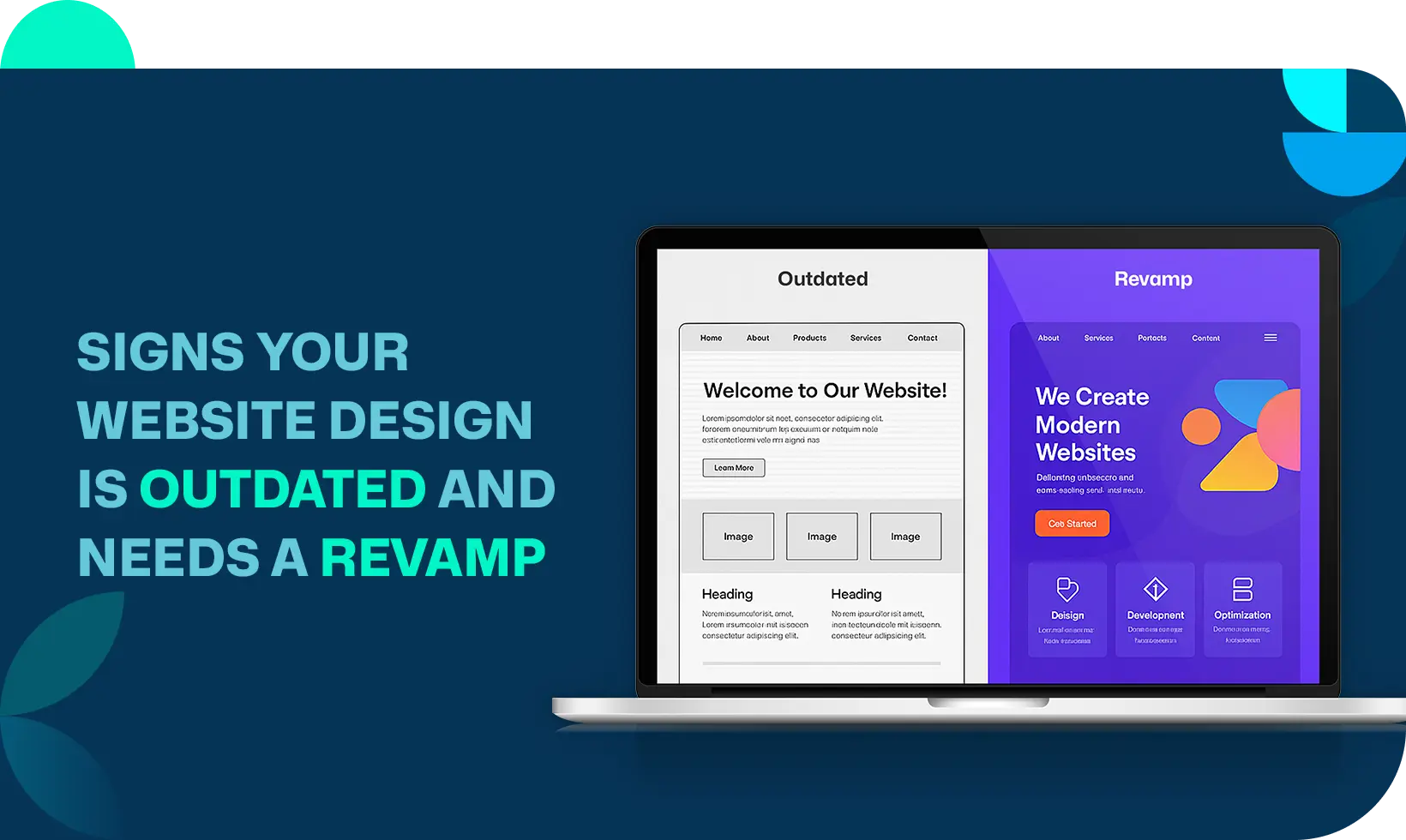
Signs Your Website Design Is Outdated and Needs a Revamp

In today’s digital world, a website is more than an online brochure; it’s a necessary tool for building credibility, visibility, and growth, making first impressions more important than ever.

A responsive, well-structured site builds trust, boosts brand awareness, and supports business success. But as technology and user expectations evolve, outdated designs, poor mobile responsiveness, and low page speed can quickly drive customers away.

Revamping your website isn’t just about a fresh look; it’s a chance to improve functionality, speed, security, and user experience. Aligning your site with current design trends, SEO standards, and business goals ensures it remains effective and competitive.

In this blog, we’ll understand the signs that indicate revamping a website would be an ideal step to elevate online presence.

How do you know when it’s time to revamp your website?

Below are the key signs that indicate your current website may be due for a revamp:

1. Your Website Looks Outdated

According to a Stanford University study, 75% of users judge a company’s credibility based on its website design. This means that what looked modern and appealing a few years ago may now appear outdated and uninspiring. An outdated website can make your business seem less professional or trustworthy, especially when competitors have more polished, up-to-date sites.

If your website still features outdated layouts, generic stock images, cluttered navigation, or design elements that no longer align with your brand identity, it may be time for a visual overhaul. A refreshed, contemporary design not only improves the user experience but also helps maintain a strong and relevant brand presence.

2. It's Not Mobile-Friendly

According to Statista, mobile devices (excluding tablets) generated over 85% of global website traffic (source). With mobile traffic now dominating in many industries, having a mobile-responsive website is no longer optional.

If your site doesn’t adjust well to smartphones or tablets, users are likely to leave quickly, affecting both engagement and conversions. Additionally, Google’s mobile-first indexing means that the mobile version of your site is used primarily for ranking and indexing in search results.

Revamping your website with a mobile-first design approach ensures better navigation, layout responsiveness, and faster page speed (load times) across all devices, leading to a smoother user experience and stronger search performance.

3. Your Website Loads Slowly

According to Google, 53% of mobile users abandon a website if it takes more than three seconds to load (source). This means if your site is slow, you're likely losing over half your potential visitors before they even see your content. When users leave quickly without interacting, it results in a high bounce rate,a sign that your website isn’t engaging or fast enough to hold attention.

Slow websites are often caused by bloated code, unoptimised images, outdated plugins, or poor-quality hosting. Improving load speed not only helps reduce bounce rates but also boosts user satisfaction and search engine rankings.

4. Navigation Is Confusing

A Clutch survey of over 600 users revealed that 94% consider easy and intuitive navigation the most essential feature of a website (source). If visitors can’t locate what they’re looking for within a few clicks, they’ll likely leave.

Confusing navigation, like cluttered menus, unclear labels, or too many options, creates frustration and drives users away. On the other hand, simple, well-organised menus and logical page structures help users find content effortlessly. This not only enhances their experience but also encourages deeper exploration and higher conversion rates.

5. Your Website Isn’t Generating Leads or Sales

Studies have shown that improving UX can boost conversion rates by up to 200%(source). In simple terms, a well-designed experience turns more visitors into leads or customers.

If your website looks great but isn’t turning traffic into inquiries or sales, the problem may be in the design, not just the visuals. Features like optimised landing pages, clear calls-to-action, and streamlined flows matter more than fancy graphics. A strategic redesign focused on conversion can transform your site into a powerful growth engine.

6. Difficult to Update Content

Websites built on outdated platforms or custom-coded without flexibility make content updates slow and expensive. Revamping your website using a modern content management system (CMS) simplifies the process, allowing your team to manage updates independently without technical support. Modern platforms like WordPress, Umbraco or any other empower non-technical users to make updates efficiently.

By revamping your website using one of these platforms, your internal team can update content directly, keeping information fresh and aligned with your marketing goals, without incurring ongoing developer costs.

7. Poor SEO Performance

If your site isn’t ranking well on search engines, the issue may be rooted in its structure, speed, or outdated optimisation.

A comprehensive website revamp includes on-page SEO enhancements, fast-loading pages, and mobile responsiveness. 

8. Your Branding Has Changed

Your website should reflect your new identity. Mismatched visuals or outdated messaging can confuse potential clients.

Updating your site to match your new branding ensures consistency across your marketing. With expert website design services, your site will align with your updated logo, tone, and value proposition.

9. Competitors Have Better Websites

Take a look at your competitors. If their websites are more attractive, faster, or easier to navigate, potential customers may favour them even if your product or service is superior.

Why Partner with Digiwhiz -A Trusted Website Design Company in Melbourne

Choosing a local website design company offers several distinct advantages that extend beyond aesthetics. Here's why Digiwhiz can be the right partner for your business:

1. Local Market Understanding

With in-depth knowledge of Australia’s business environment and local audience behaviour, Digiwhiz creates websites that are strategically aligned with market needs and customer expectations.

2. Seamless and Personalised Communication

Collaborating with a Melbourne-based team allows for clear, timely communication and easy access to support. Whether through virtual meetings or face-to-face discussions, working locally helps streamline the design process.

3. Customised Design Solutions

Digiwhiz delivers customised website designs that reflect your brand, align with your business goals, and offer a user-friendly experience across all devices, without relying on generic templates.

Takeaway: Ready to Revamp Your Website?

If your site shows any of the signs listed above, it’s likely time to invest in a professional revamp. A well-designed, fast, and SEO-optimised site isn’t just a marketing tool; it’s a business asset.

With expert guidance from a website design company in Melbourne, you can enhance functionality, engage users, and drive measurable business growth.

Looking for a local web design company in your area? Whether you need to revamp your existing website or redesign it from the ground up, contact Digiwhiz to start your website transformation journey today.


blog

Web Development

May 30, 2025

Google PageSpeed Insights: What It Is & How to Boost Score

In the digital age, the success of a website hinges on one critical factor—speed. Users expect pages to load quickly, whether they’re browsing on desktop or mobile. If your website is slow, users won’t wait—they’ll leave. That’s why tools like Google PageSpeed Insights have become essential in the toolkit of every business owner and web developer.

Not only does Google PageSpeed Insights measure your site’s performance, but it also provides actionable insights to make your website faster.

This blog breaks down how website speed tools work, why website speed matters, and how professional website development services, particularly those offered by web development companies in Melbourne and across Australia, can help develop fast, high-performing websites.

What Is Google PageSpeed Insights?

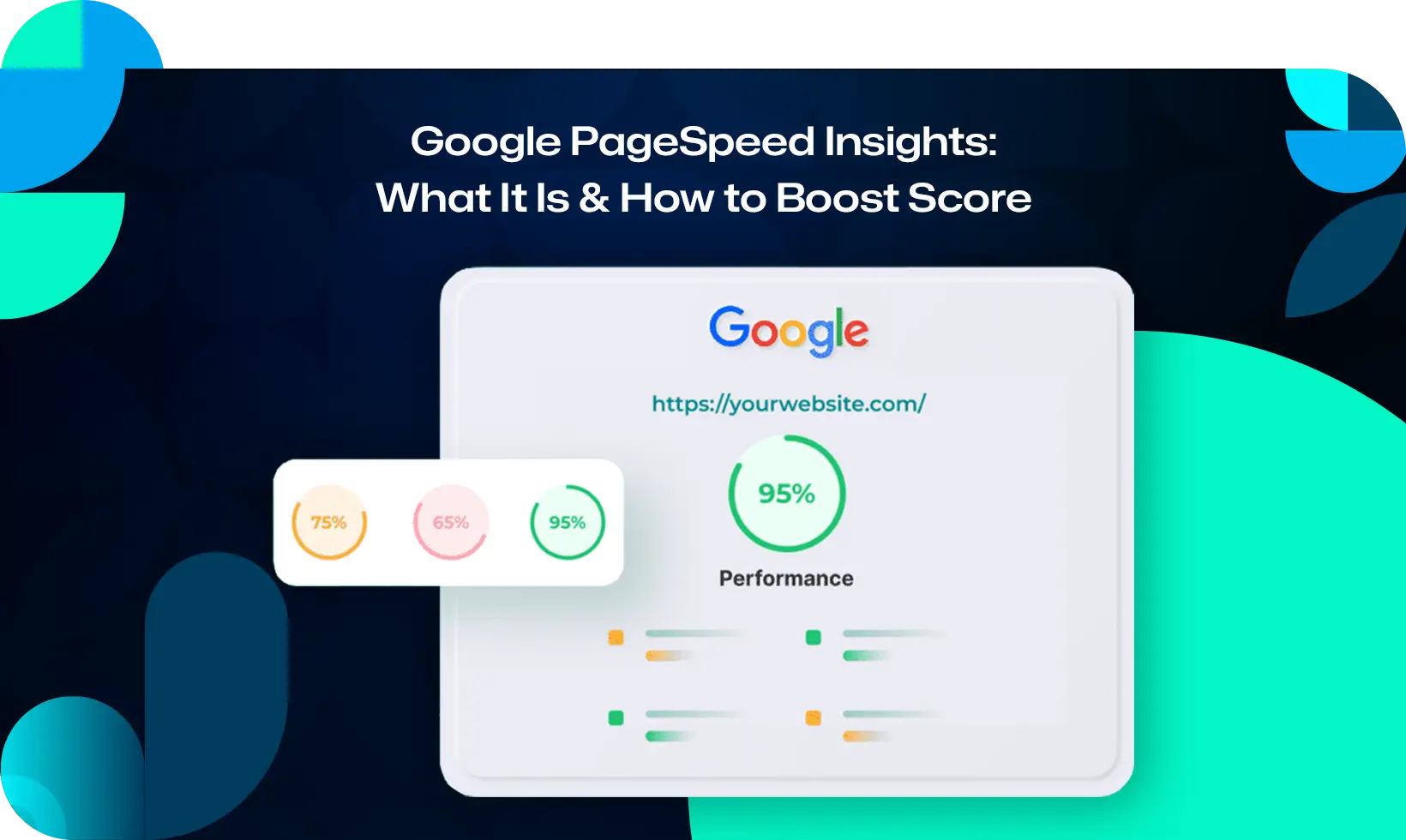
Google PageSpeed Insights is a free tool from Google that evaluates your website’s performance on both desktop and mobile devices. It delivers a score out of 100, combining lab data from simulated tests and real-world user data to give a comprehensive overview.

The tool evaluates essential aspects of site performance like loading speed, responsiveness, and visual stability. More importantly, it provides specific suggestions for improvements to your website.

In a competitive digital space, knowing how your site performs isn’t optional—it’s essential. A poor score can signal negative user experience, missed opportunities, and lower visibility on search engines.

Why Page Speed Matters? 

Your website’s speed impacts more than just loading times. It influences your entire digital presence, including:

1. User Experience and Engagement

According to user expectations, web pages should load in two to three seconds. Delays beyond this threshold often lead to higher bounce rates, as users are less likely to stay on a slow-loading site. A quick website facilitates easier navigation, which increases user engagement and conversions.

2. Search Engine Rankings

One of the ranking variables that Google takes into account is page speed. It may be more difficult for potential clients to locate you if your website loads slowly, since search engines can penalise it by placing it lower in the results.

3. Mobile-First Indexing

Google gives mobile page performance a priority since mobile devices account for over half of all internet traffic worldwide. Your rankings and reach will suffer from a sluggish mobile experience.

By improving your Google PageSpeed Insights score, you’re investing in better visibility, improved UX, and stronger business outcomes.

How Google PageSpeed Insights Works?

Google PageSpeed Insights uses two types of performance data:

  • Lab Data: Collected in a controlled environment using a simulated device and network.

  • Field Data: Based on real-world user experiences gathered from Chrome browser users.

The tool evaluates your website using Core Web Vitals, which include:

  • Largest Contentful Paint (LCP) – Measures loading performance.

  • First Input Delay (FID) – Measures interactivity (being phased out).

  • Interaction to Next Paint (INP) – Now a key metric that measures overall responsiveness to user interactions.

  • Cumulative Layout Shift (CLS) – Measures visual stability.

In addition to Core Web Vitals, PageSpeed Insights also reports other important metrics like:

  • Time to Interactive (TTI)

  • Speed Index

  • First Contentful Paint (FCP)

The tool offers a list of optimisation opportunities, helping you identify and address performance issues to improve user experience and site speed.

Key Factors That Affect PageSpeed Score

Even well-designed websites can underperform if technical elements are not optimised. Here are the most common issues that can hurt your Google PageSpeed Insights score:

  • Large or Uncompressed Images: Oversized images increase loading time drastically.

  • Unused CSS and JavaScript: Extra code can block rendering and delay interactivity.

  • Slow Server Response Times: When your server takes too long to respond, users are left waiting.

  • Render-Blocking Resources: CSS and JavaScript that load before content can slow down how quickly pages appear.

  • No Caching or Lazy Loading: Without these techniques, every page load requires re-downloading all elements, slowing performance.

Resolving these issues can significantly improve the score and enhance the overall user experience.

How to Improve Your Google PageSpeed Insights Score?

There are several effective strategies to improve your performance score and overall site speed:

1. Compress and Optimise Images

Use tools like TinyPNG or convert files to WebP format to reduce image size without sacrificing quality.

2. Minify CSS, JavaScript, and HTML

Remove unnecessary characters and white space to reduce file sizes. Tools like UglifyJS or CSSNano can help.

3. Enable Browser Caching

Store static content in users’ browsers so they don’t have to reload it every time they visit your site.

4. Implement Lazy Loading

Load images and videos only when they appear on the user’s screen instead of loading everything at once.

5. Use a Content Delivery Network (CDN)

A CDN stores copies of your site on multiple servers worldwide to reduce load times.

6. Choose Professional Website Development Services

Many technical fixes require expertise. That’s where professional developers come in.

Why Choosing Web Development Services Makes a Difference?

Website speed is crucial for user experience, SEO, and overall business success. A fast, responsive site keeps visitors engaged and drives conversions—something that requires more than just design. It demands technical expertise and strategic development.

Partnering with Digiwhiz, a web development company in Melbourne, delivers custom web solutions with clean code, thorough performance audits, and a deep understanding of market trends. With guaranteed loading speeds of under 3 seconds and the advantage of working with a local team, clients benefit from better communication and ongoing support.

Whether you're creating a new site or improving an existing one, it's best to choose a company that can build a fast, efficient, and future-ready website right from the ground up, without relying on shortcuts.

Take Away 

Google PageSpeed Insights is a powerful tool for evaluating and improving your website’s performance. A high score doesn’t just mean faster load times—it also enhances user experience, increases engagement, and supports stronger search engine rankings.

While there are many techniques to boost your PageSpeed score, such as image compression, code minification, and caching, implementing these optimisations effectively often requires technical expertise and strategic planning. This is where professional web development services become essential.

Partnering with the right team ensures your website is built or optimised with clean code, efficient practices, and a strong emphasis on performance, without sacrificing design or functionality. 

At Digiwhiz, speed, usability, and performance are at the core of every project. A website that not only meets industry standards but consistently exceeds expectations.


Which Website Platform Fits Your Business: WordPress, Shopify or Umbraco?

Web Development

May 13, 2025

Which Website Platform Fits Your Business: WordPress, Shopify or Umbraco?

In the modern digital landscape, your website is more than just an online address—it’s your brand’s first impression, 24/7 storefront, and most valuable marketing asset. Whether you’re a small business with ambitious growth plans, a local shop expanding into the e-commerce space, or a government agency delivering services to the public, the website platform you choose can make or break your online success.

Each type of business has unique needs when it comes to website development. Choosing the right platform and collaborating with an experienced team offering web development services in Melbourne ensures your website performs reliably, remains secure, and supports your goals.

This blog will guide you through the best website platforms for different business types and explain how custom website development can elevate your digital presence.

For Small Business: WordPress Offers Flexibility and Scalability

WordPress stands out as an ideal choice for small businesses aiming to get a strong online presence. With a 62% share of the content management system (CMS) market, WordPress powers 43.6% of all websites globally. Notably, over 500 new WordPress sites are built daily (Source). This widespread adoption underscores WordPress's versatility and reliability, making it an ideal platform for small businesses to build and scale their websites efficiently.

What are the benefits of using WordPress?

Here are the benefits of using WordPress as a cost-effective and scalable platform ideal for small businesses:

  • Cost-Effective: WordPress is free and open-source, eliminating licensing fees.

  • Scalable: Easily accommodates growing businesses with increased traffic and additional features.

  • Customisation: A vast library of themes and plugins allows for extensive customisation with minimal coding knowledge.

  • Business Growth Support: The platform evolves with your business needs, ensuring your website keeps up as you grow.

  • Strong Security Features: Built-in security features help protect your website from potential threats.

If you're serious about building a digital foundation for growth, investing in professional website development services will help you avoid DIY pitfalls and ensure long-term scalability.

For Local Shops: Shopify Empowers Seamless eCommerce

Retail businesses in Melbourne are increasingly moving online to meet changing consumer preferences. If you're a local shop owner looking to sell online. It’s a purpose-built eCommerce platform that simplifies everything from product listings and payments to marketing and customer management.

What Is The Main Advantage Of Using Shopify?

From a website development perspective, Shopify is ideal for e-commerce due to the following reasons:

  • Robust Infrastructure: Provides a solid foundation for building scalable e-commerce websites.

  • Scalability: Easily accommodates growing businesses with increasing traffic and product offerings.

  • Ease of Integration: Allows seamless integration with third-party apps and services via extensive APIs.

  • Powerful Backend: Equipped with advanced developer tools for customisation and performance optimisation.

  • Hosting, Security, and Maintenance: Shopify manages hosting, security, and maintenance, enabling developers to focus on functionality.

  • Flexible Architecture: Facilitates the creation of highly e-commerce experiences.

  • User-Friendly for Developers: Ideal for developers of all skill levels, offering a range of customisation options without complex setup.

While Shopify provides a solid foundation, you can take your store to the next level with custom website development. 

For Government Agencies: Umbraco Ensures Security and Accessibility

Public sector organisations have a unique set of needs when it comes to website platforms. Security, accessibility, compliance, and scalability are non-negotiable. Umbraco, a Microsoft-backed, open-source CMS, is a trusted platform for government websites in Australia and worldwide.

Why is Umbraco ideal for government websites?

Here are the benefits of using Umbraco for government websites:

  • High-Level Security: Built to handle sensitive data with enterprise-level protection.

  • Accessibility Compliance: Umbraco supports full WCAG compliance, helping your site meet all Australian accessibility standards.

  • Collaborative Content Management: Different departments can manage their sections with strict user roles and content workflows.

  • Scalable Infrastructure: Handles large volumes of content and traffic without compromising performance.

  • Custom Integrations: Easily connects with internal systems, databases, and digital services.

Government agencies require more than just a standard setup—they need specialised professional website development services. Melbourne developers familiar with public sector needs can ensure your site meets legal standards while being user-friendly and future-proof.

Take Away: Match the Platform to the Business Type

Choosing the right platform for your business is crucial, as each offers distinct advantages based on your model:

  • Small businesses thrive with WordPress, offering flexibility, affordability, and the ability to scale with growth.

  • Local shops benefit most from Shopify’s comprehensive eCommerce platform, which makes managing products and sales straightforward.

  • Government agencies require the reliability and robust security features of Umbraco, ensuring compliance with industry standards.

Partnering with Digiwhiz for web development services in Melbourne means working with a dedicated local team focused on creating secure, scalable, and high-performing websites. With expertise in WordPress, Shopify, and Umbraco, Digiwhiz customises each site to suit your specific goals and business growth strategy.

Ready to strengthen your online presence? Contact Digiwhiz today and let’s create a website that drives results.


Load More

TAGS

#link building strategies

#seo services Melbourne

#web designing company in Melbourne

#website performance metrics

#best digital marketing agency Melbourne

#digital marketing agency Melbourne

#Google My Business importance

#improve your local SEO

#top local SEO company Melbourne

#local SEO strategies

#best digital marketing agency in Melbourne

#Google algorithm update

#Google SEO update

#Google Broad Core Update

#digital marketing services Melbourne

#social media marketing trends

#social media marketing ROI

#social media marketing strategy

#effective content measuring strategies

#web development company melbourne

#custom web development benefits

#Web Design Trends

#web design company in Melbourne

#user-friendly website design

#mobile-responsive websites

#web design agency Melbourne

#seo strategies

#best SEO services in Melbourne

#Website Design

#websites that offer a seamless user experience

#responsive web design advantages

#best local SEO agency in Melbourne

#mistakes in hiring SEO services

#hire a SEO agency

#Web Design Trends in 2023

#Melbourne web design company

#difference between search engine marketing and social media marketing

#SEM vs SMM

#search engine marketing vs social media marketing

#digital marketing trends

#best web development company in Melbourne

#latest web development trends

#latest SEO trends 2023

#website design company in Melbourne

#advantage of having a website

#Build your company website

#disadvantages of not having a website

#Web design company Melbourne

#web design services

#web design

#custom web development

#custom website development

#Website Development

#web development

#social media

#Digital Marketing

#chatgpt

#Mobile App Testing

#Web development company

#umbraco

#SSL Certificate

#SEO

#SEO Melbourne

#SEO SERVICE

#ppc

#Google ads

#Local SEO

#seo

#ecommerce web design

#e-commerce website development

#e-commerce website design

#mobile friendly website

#responsive website

#e-commerce web design

#Digital Marketing Agency

#Custom website development

#web design services in Melbourne

#umbraco web development

#umbraco servivce

#web design melbourne

#website design company melbourne

#web development melbourne

#website design services

#web design company

#Website design Company

#website design company

#E-Commerce website development

#AI trends in web development

#E-Commerce website design

#web deisgn services

#roofing web design services

#website design agency in melbourne

#umbraco cms

#website development services

#web development agency services

#automobile web development

#custom web design

#web development services

#shopify website design

#shopify for ecommerce

#chatgptads

#seo service